Exploring the Concept of Adult Family Homes
- Ikbir Braham
- Dec 5, 2025
- 4 min read
When it comes to finding the right care for our loved ones, comfort and compassion matter most. Residential adult care offers a unique, home-like environment where seniors can receive personalized support. This approach blends the warmth of a family setting with professional care tailored to individual needs. It’s a choice that many families find reassuring and effective, especially when specialized memory and mental health support are required.
Understanding Residential Adult Care and Its Benefits
Residential adult care focuses on providing a safe, nurturing environment for seniors who need assistance with daily activities. Unlike large nursing homes, these settings are smaller and more intimate. This allows caregivers to build close relationships with residents, fostering a sense of belonging and security.
In a residential adult care setting, the atmosphere feels like home. Residents enjoy personalized attention, nutritious meals, and engaging activities designed to promote well-being. This care model supports independence while ensuring help is available when needed.
Families often appreciate the peace of mind that comes with knowing their loved ones are in a place where kindness and respect are priorities. The smaller scale of residential adult care homes means fewer residents, which translates to more focused care and stronger bonds.

What Makes Residential Adult Care Different?
Residential adult care stands apart because it combines professional support with a family-like atmosphere. Caregivers are trained to assist with medication management, personal hygiene, mobility, and other daily tasks. But beyond these essentials, they also provide emotional support and companionship.
This type of care is especially beneficial for seniors with memory challenges or mental health needs. The calm, familiar environment helps reduce anxiety and confusion. Staff members are often skilled in dementia care techniques, ensuring residents feel safe and understood.
The home setting encourages social interaction and participation in meaningful activities. This can include gardening, crafts, music, or simple conversations. These moments enrich residents’ lives and help maintain cognitive function.
Families looking for a nurturing environment will find that residential adult care offers a balance of independence and support. It’s a place where seniors can thrive, surrounded by caring professionals and a warm community.
How much do adult family home owners make?
Owning and operating a residential adult care home can be both a rewarding and profitable venture. Income varies depending on location, size, and services offered. On average, owners can expect to earn a steady income by providing quality care in a well-managed home.
Many owners start small, with a few residents, and gradually expand as they gain experience and reputation. The key to success lies in delivering compassionate care that meets the unique needs of each individual. This builds trust and encourages referrals.
Financially, owners benefit from consistent monthly payments, often supported by private pay, Medicaid, or other funding sources. While initial setup costs can be significant, the ongoing revenue stream can provide a stable livelihood.
Running a residential adult care home requires dedication, patience, and a genuine desire to help others. For those who embrace this mission, the rewards go beyond money - they include the satisfaction of making a real difference in people’s lives.
Choosing the Right Residential Adult Care Home for Your Loved One
Selecting the best care home is a crucial decision. It’s important to visit several homes, ask questions, and observe the environment. Look for cleanliness, warmth, and friendly staff. Pay attention to how residents are treated and how they interact with caregivers.
Ask about staff qualifications, training, and turnover rates. Consistency in caregivers helps build trust and comfort for residents. Inquire about the types of activities offered and how the home supports special needs like memory care.
Families should also consider location and accessibility. A home close to family members makes visits easier and more frequent. This connection is vital for emotional support and maintaining relationships.
When you find a home that feels right, trust your instincts. The right residential adult care home will feel welcoming and safe. It will offer personalized care that respects your loved one’s dignity and preferences.
For example, Puyallup Bliss Adult Family Home provides a cozy, supportive setting with specialized memory and mental health care. Their approach emphasizes warmth, respect, and individualized attention.
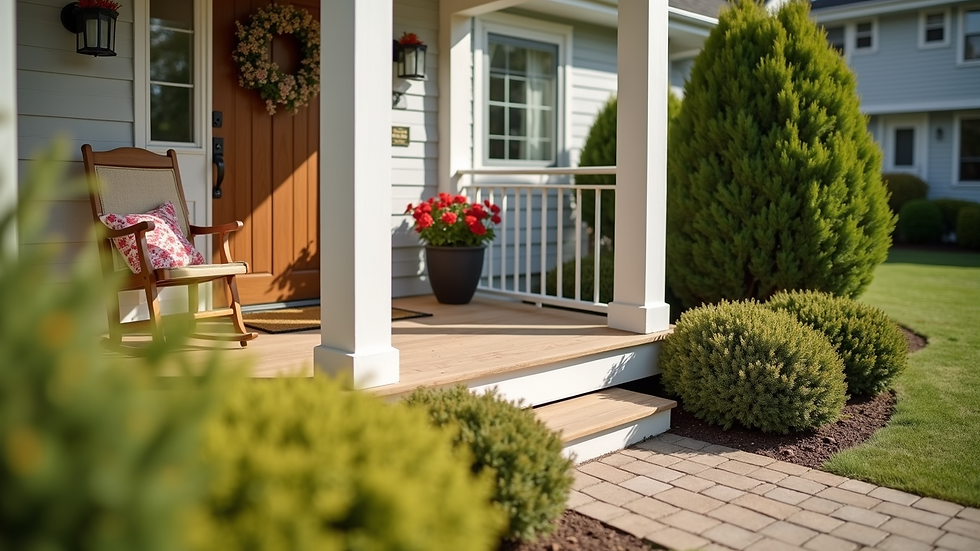
Supporting Your Loved One Through the Transition
Moving into a residential adult care home can be a big change. It’s natural to feel a mix of emotions - relief, worry, hope. Supporting your loved one through this transition is essential.
Start by involving them in the decision-making process. Discuss what to expect and visit the home together. Bring familiar items from home to create a sense of comfort and continuity.
Encourage regular visits and phone calls. Staying connected helps ease feelings of loneliness or isolation. Share updates and celebrate milestones to keep spirits high.
Remember, adjustment takes time. Be patient and open to feedback from your loved one and the care team. Together, you can create a positive experience that enhances quality of life.
Residential adult care homes are designed to be more than just places to live. They are communities where seniors can feel valued, supported, and loved.
Embracing a New Chapter with Confidence and Care
Choosing residential adult care is a step toward ensuring your loved one’s well-being in a warm, supportive environment. It’s a choice that honors their dignity and promotes a fulfilling life.
With the right home, compassionate caregivers, and a focus on personalized support, seniors can enjoy comfort and companionship every day. This approach offers families reassurance and peace of mind.
If you are considering this option, take the time to explore your choices carefully. Look for homes that prioritize kindness, respect, and specialized care. Your loved one deserves nothing less.
By embracing residential adult care, you open the door to a new chapter filled with care, connection, and comfort. It’s a decision that reflects love and commitment - the foundation of truly exceptional senior care.


Comments