Elderly Care Home: What It Is and How to Choose One in Puyallup and Pierce County
Puyallup Bliss Adult Family Home
"Elderly care home" is one of the most common phrases families use when they start looking for care for a parent — and it is also one of the most imprecise. It gets used to describe everything from a six-bedroom adult family home on a residential street to a 120-bed skilled nursing facility. If you are searching for an elderly care home in Puyallup, Tacoma, or the broader Pierce County area, understanding what each type of care home actually provides is the first step to choosing the right one for your parent.
This guide explains what an elderly care home is, how the types differ, what to look for when you tour one in Pierce County, and how to verify a home's license before you schedule a visit.
What "elderly care home" actually means
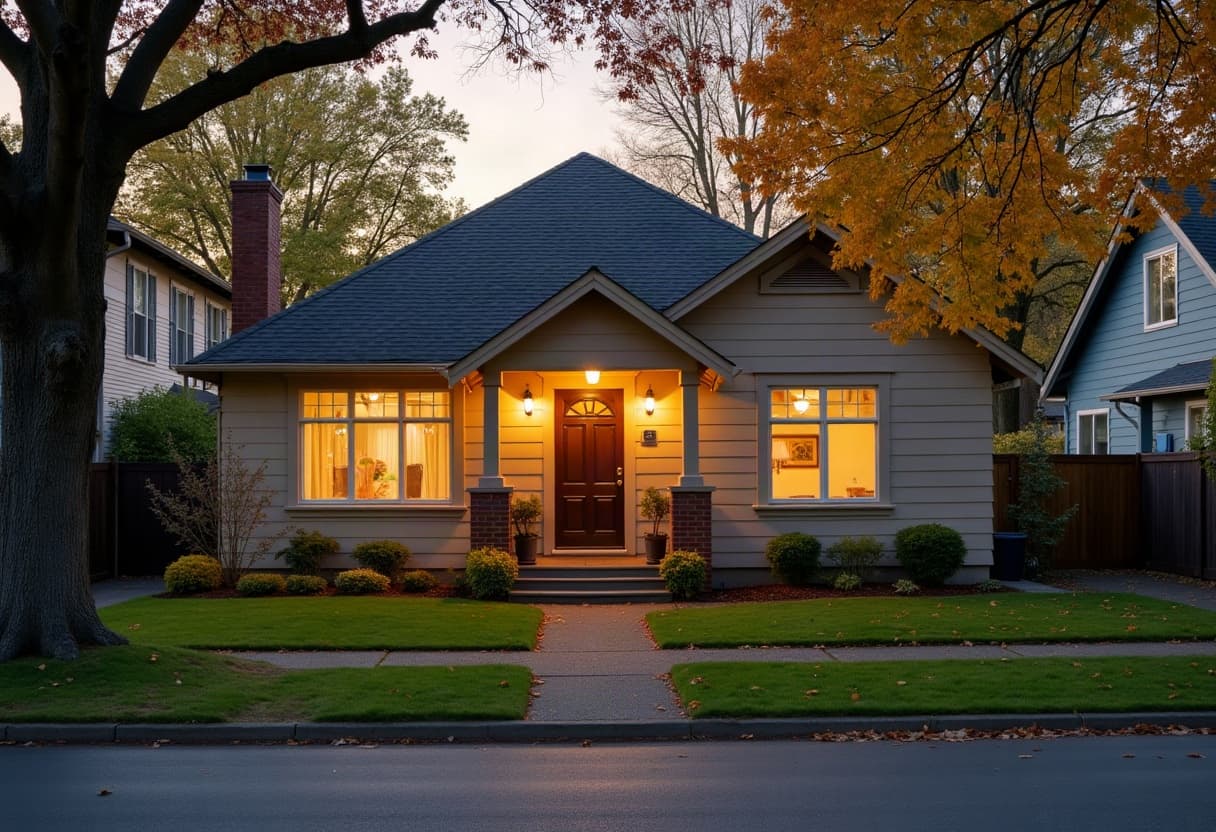
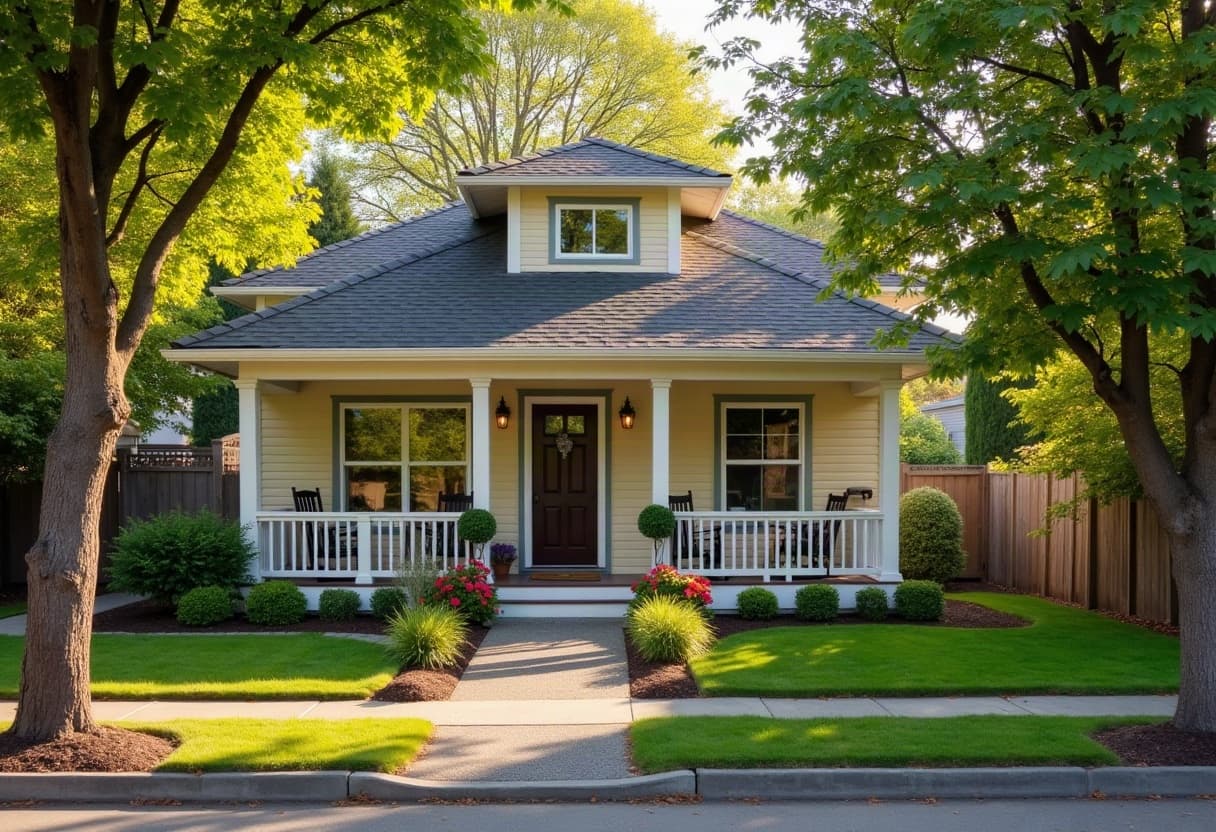
In Washington State, the phrase "elderly care home" most often refers to a licensed adult family home — a residential house, licensed by the Department of Social and Health Services (DSHS), that provides 24-hour care for a small number of older adults (typically up to six residents). The care covers help with daily living: bathing, dressing, grooming, meals, toileting, mobility, medication management, and supervision. The setting is a regular home in a residential neighborhood, not a hospital or institution.
Families often use "elderly care home" interchangeably with several other terms, but the licensed care types in Washington are distinct:
- Adult family home — a licensed residential home for up to six adults, with 24-hour personal care, medication management, and supervision. This is what most families mean when they say "elderly care home."
- Assisted living facility — a larger licensed community (often 30+ residents) with private or shared apartments, personal care services, and communal dining. More institutional than an adult family home.
- Skilled nursing facility (nursing home) — a medical facility providing 24-hour licensed nursing care for residents with complex medical needs. This is a clinical setting, not a residential home.
For a parent who needs daily help and supervision but does not require continuous medical treatment, an adult family home is usually the right fit — small, personal, and home-like. For a parent recovering from surgery or needing IV therapy or wound care, a skilled nursing facility may be necessary. See our guide on nursing home options in Puyallup for that distinction in detail.
Who an elderly care home is for
An elderly care home is the right setting when your parent:
- Needs help with daily living activities (bathing, dressing, meals, medication)
- Requires supervision due to memory loss, dementia, or confusion
- Can no longer live safely alone at home but does not need a hospital level of care
- Would do better in a small, home-like setting than a large facility
It is generally not the right setting if your parent needs continuous skilled medical care (IV therapy, ventilator support, intensive rehabilitation), in which case a nursing home is more appropriate. For families weighing the difference, our guide on 24-hour senior support explains what around-the-clock care looks like in an adult family home.
What to look for when you tour an elderly care home in Pierce County
DSHS license and inspection history
Every licensed adult family home in Washington has a DSHS license number and a public inspection record. Before you tour, look up the home on the DSHS Adult Family Home Locator — you can search by license number and review the home's inspection history and any enforcement actions. A home that cannot give you its license number is a red flag.
Staff-to-resident ratio and caregiver qualifications
Ask how many caregivers are on duty and how many residents they care for. In a six-resident adult family home, a ratio that allows genuine personal attention matters — your parent should not be one of dozens. Ask whether caregivers are certified nursing assistants (CNAs) and whether the home provides specialized memory care and medication management.
Services included
Confirm which services are part of the care plan: medication management, help with daily living, meals and special diets, memory and dementia care, and any specialty care. Ask what happens if your parent's needs change over time — a home that can scale care as needs increase saves you a second move.
The setting itself
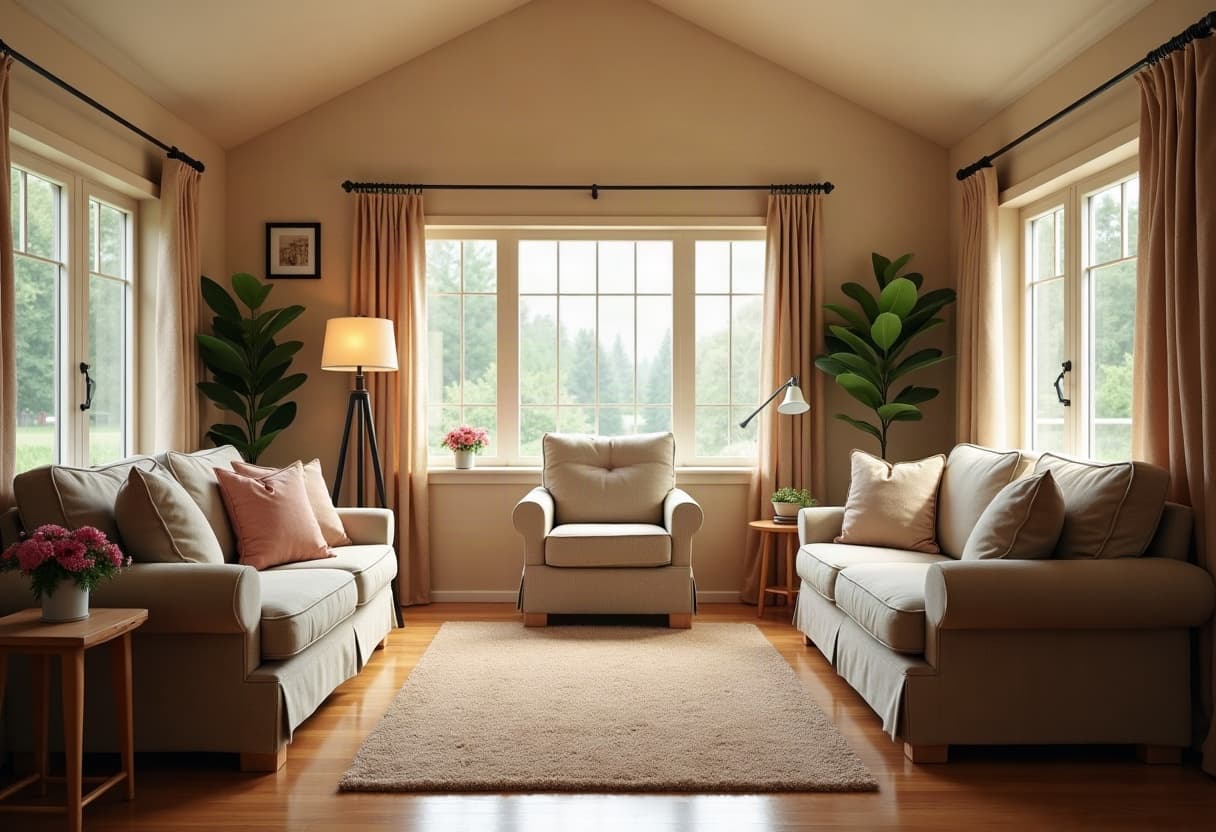
An adult family home is a house, not a facility. When you tour, look at whether it feels like a home: private and semi-private rooms, common areas, outdoor space, and an environment where residents interact rather than sit alone in a clinical hallway. See our rooms page for what this looks like in practice.
Memory and dementia care
If your parent has Alzheimer's or dementia, ask specifically about memory care — how the home manages wandering, confusion, and behavioral changes, and whether staff have training in dementia care. Our memory care page describes this in detail.
How to verify a home before you tour
Before scheduling a visit, do two things:
- Look up the DSHS license — search the license number on the DSHS Adult Family Home Locator to confirm the home is currently licensed and review its inspection history.
- Ask for the license number directly — a licensed adult family home will give you its license number without hesitation. If a home will not, walk away.
Elderly care in Puyallup and Pierce County
Puyallup Bliss Adult Family Home is a licensed adult family home at 604 22nd Ave Ct SE, Puyallup, WA 98372, licensed by Washington State DSHS (license 758137). It provides 24-hour personalised care for up to six residents, with certified nursing assistant caregivers, medication management, memory and dementia care, mental health specialty care, and bilingual English/Spanish support. If you are looking for an elderly care home in Puyallup or Pierce County, call (253) 455-5057 to schedule a tour or visit puyallupblissafh.com.